
How TGV Trains Achieve Their High Speeds
The TGV, or Train à Grande Vitesse, epitomizes the pinnacle of high-speed rail travel with its remarkable capabilities and efficiency. Originating in France, the TGV network has revolutionized modern rail travel, setting benchmarks for speed and engineering excellence globally. This article delves into the rich history and evolution of the TGV, exploring its inception, key technological advancements, and the challenges it has faced over the years. Through detailed sections, we will unravel how TGV trains achieve their impressive high speeds and their profound influence on international rail systems. Concluding with a table summary, readers will have a comprehensive understanding of the TGV’s enduring legacy and contributions to the future of high-speed travel.
What Is a TGV Train?
The TGV, short for “Train à Grande Vitesse,” is France’s high-speed rail service developed by SNCF, the French national railway company. Renowned for its pioneering technology, the TGV has become synonymous with speed, efficiency, and comfort in train travel. Its streamlined trains whisk passengers across vast distances at speeds surpassing 300 km/h, drastically reducing travel times and enhancing convenience.
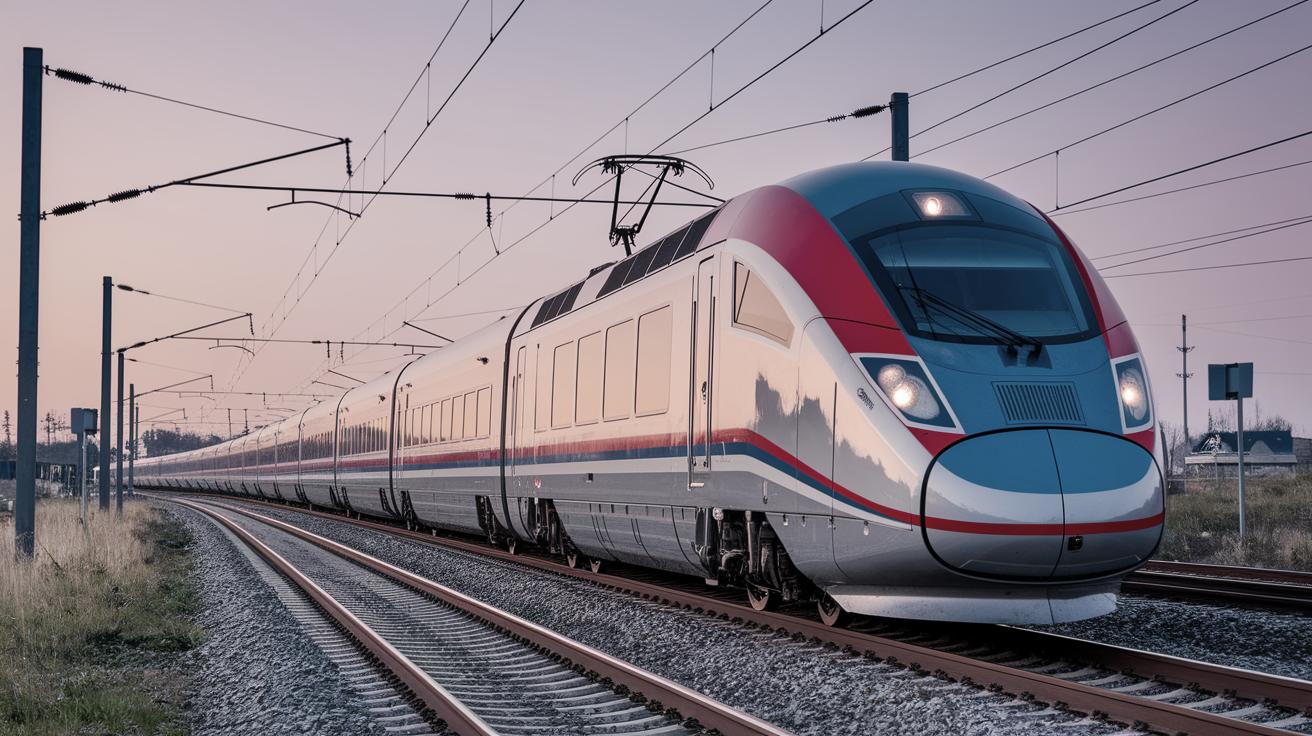
The TGV trains feature an advanced aerodynamic design that minimizes air resistance, allowing them to glide through the countryside with remarkable ease. Its electric-powered engines ensure an environmentally friendly alternative to other forms of transit, embodying a forward-thinking approach to transportation infrastructure. With spacious seating and state-of-the-art amenities, the TGV offers an unparalleled travel experience that harmonizes speed with luxury.
History
The inception of the TGV dates back to the 1960s, a period marked by an ambition to revolutionize rail travel in response to increasing transportation demands. The concept was driven by the need to connect major urban centers quickly while relieving congestion on existing rail and road networks. An initial vision paved the way for what would become the world’s first high-speed rail service.
Development of the TGV was deeply rooted in technological innovation and commitment to efficiency. Engineers and specialists at SNCF began experimenting with new train designs and propulsion systems, leading to the earliest prototypes. As technological hurdles were overcome, the dream of achieving high-speed rail travel began to crystallize into reality.
The Birth of a Vision for High-Speed Rail
The vision for the TGV emerged amidst rising competition from airlines and automobiles. Policymakers and engineers sought to reclaim rail travel’s relevance by harnessing new technology to shorten travel times. The belief was that a high-speed train could revolutionize passenger travel, offering an attractive alternative to short-haul flights within France.
The project gained momentum when the French government provided strategic support, recognizing the initiative’s potential economic and social benefits. The goal was not just speed but also integration with the national rail network, creating seamless travel experiences. Thus, the foundations for the TGV were laid with precision and innovation at their core.
Early Challenges and Development Stages
Developing the TGV was fraught with technical and financial challenges. Initially, the project encountered skepticism from various quarters, primarily due to the high costs associated with the development of specialized technology and infrastructure. The project required building dedicated tracks, or “LGV” lines, specifically designed to cater to the high speeds of the TGV.
Technical obstacles included perfecting the aerodynamic design and developing robust propulsion mechanisms that could operate at unprecedented speeds safely. Intensive testing and modifications were essential in achieving stable performance metrics. Despite these challenges, consistent commitment to research and development paved the way for the TGV’s eventual success.
Engineering Breakthroughs and Innovations
Several engineering breakthroughs were pivotal in the success of the TGV. One notable innovation was the development of the articulated trainset design, which connected carriages in a way that improved stability and reduced friction. This design significantly enhanced safety and ride comfort, even at high speeds.
Another leap in technology was the use of powerful electric traction motors that propelled the TGV to high speeds. Combined with cutting-edge signal systems and train control technologies, these advancements ensured the TGV could travel safely and efficiently. These engineering accomplishments not only increased the train’s speed but also established new standards for reliability in rail technology.
The Inaugural Journey: A New Era of Rail Travel
The TGV’s inaugural journey took place on September 27, 1981, from Paris to Lyon, marking the dawn of a new era in rail travel. This historic event showcased the capabilities of the TGV, highlighting dramatic reductions in travel time and reinforcing its role as a trailblazer in high-speed rail technology. The success of this initial journey proved the feasibility and appeal of high-speed travel.
Public reception was overwhelmingly positive, with passengers praising the comfort and efficiency of the new service. The train’s ability to connect major cities quickly caught the imagination of the public and policymakers alike, setting a precedent for subsequent development. This successful launch underscored the TGV’s potential to transform regional mobility and economic landscapes.
Expansion of the TGV Network Across France
Building on the success of the initial route, the TGV network expanded rapidly across France. The construction of more “LGV” lines facilitated connections between other major cities, such as Lille, Marseille, and Bordeaux, creating an extensive high-speed network. This expansion added further convenience to long-distance travel within France, cementing the TGV’s role as an integral part of the national transportation infrastructure.
Each new extension followed meticulous planning and execution, often incorporating feedback from previous deployments to refine efficiency. Environmental considerations were also integrated into the expansion process, minimizing ecological impacts through strategic route planning. Such advancements underscored France’s commitment to sustainable and forward-thinking transit solutions.
Record-Breaking Speeds and Achievements
The TGV has consistently pushed the boundaries of speed since its inception. In April 2007, a specially modified TGV set a new world speed record for conventional rail trains, reaching an astonishing 574.8 km/h. This record-breaking feat was achieved through collaborations with top engineers and demonstrates the TGV’s continual capability for exceeding expectations in speed and technology.
These achievements have served to highlight the TGV’s advanced engineering capabilities and symbolize its relentless pursuit of excellence. The record-breaking speeds underscore the commitment to pushing technological boundaries, which continues to elevate France’s stature in high-speed rail innovation on the world stage.
International Influence and Collaboration
The success of the TGV has spurred international interest and collaborations, with numerous countries seeking to emulate the French model. The TGV has been a source of inspiration for high-speed rail projects in countries such as Japan, China, and the United States. Technical expertise and lessons learned from the TGV’s development have been shared globally, fostering a spirit of collaboration in high-speed rail research and development.
Joint ventures and partnerships have led to adaptations of TGV technology in various international contexts, creating bespoke solutions for diverse geographical and infrastructural challenges. These international collaborations and exchanges underscore the TGV’s role as a global ambassador of high-speed rail technology and its potential to shape future transit landscapes worldwide.
Technology
The TGV’s technological prowess lies in its sophisticated train control systems and pioneering use of electric traction power. Its electric engines are capable of delivering immense power while consuming less energy, achieving high-speed performance sustainably. The advanced signaling systems allow precise control over train movements, ensuring safety and efficiency at high velocities.
Innovations such as continuous welded rails, advanced suspension systems, and meticulously designed train aerodynamics contribute to the TGV’s superior speed and ride quality. These technologies work in concert to achieve the TGV’s remarkable performance, reflecting an arena where cutting-edge designs meet practical functionality seamlessly.
Challenges and Criticisms Over the Years
Despite its considerable success, the TGV has faced challenges and criticisms over the years. High costs of development and infrastructural expansion have been persistent issues, often sparking debates about fiscal priorities and resource allocation. Competing funding needs and economic constraints have influenced the pace and scope of TGV’s growth.
Moreover, some critics have noted the environmental impact of building new tracks and the displacement associated with large infrastructure projects. Despite these concerns, the TGV continues to adapt and improve, addressing issues through technological advancements and community engagement to mitigate negative impacts.
Final Thoughts: The Lasting Legacy of the TGV
The legacy of the TGV stands as a testament to engineering excellence and innovation in rail travel. By consistently setting benchmarks in speed and efficiency, the TGV has reshaped perceptions of rail as a viable, competitive, and environmentally friendly mode of transportation. Its continued evolution and adaptation to modern demands highlight its resilience and relevance.
Through its ambitious vision, the TGV has left an indelible mark on high-speed rail technology, encouraging ongoing investment in research and development. As the world turns towards more sustainable transit, the TGV’s role as a pioneer in fast, efficient rail travel will remain influential, inviting future generations to reimagine the possibilities of train travel.
| Section | Content Summary |
|---|---|
| What Is a TGV Train? | Introduction to the TGV, its design, and capabilities. |
| History | Origins and initial development of the TGV concept. |
| The Birth of a Vision for High-Speed Rail | Early ambitions and governmental support for high-speed rail. |
| Early Challenges and Development Stages | Technical and financial challenges faced during development. |
| Engineering Breakthroughs and Innovations | Key technological advancements such as the articulated trainset design. |
| The Inaugural Journey: A New Era of Rail Travel | The first successful journey and public reception. |
| Expansion of the TGV Network Across France | Growing the TGV network and its impact on travel. |
| Record-Breaking Speeds and Achievements | Achievements in speed records and their significance. |
| International Influence and Collaboration | The TGV’s global influence and international partnerships. |
| Technology | High-tech features enabling the TGV’s performance. |
| Challenges and Criticisms Over the Years | Issues faced and criticisms addressed over time. |
| Final Thoughts: The Lasting Legacy of the TGV | Overall impact and significance of the TGV. |

