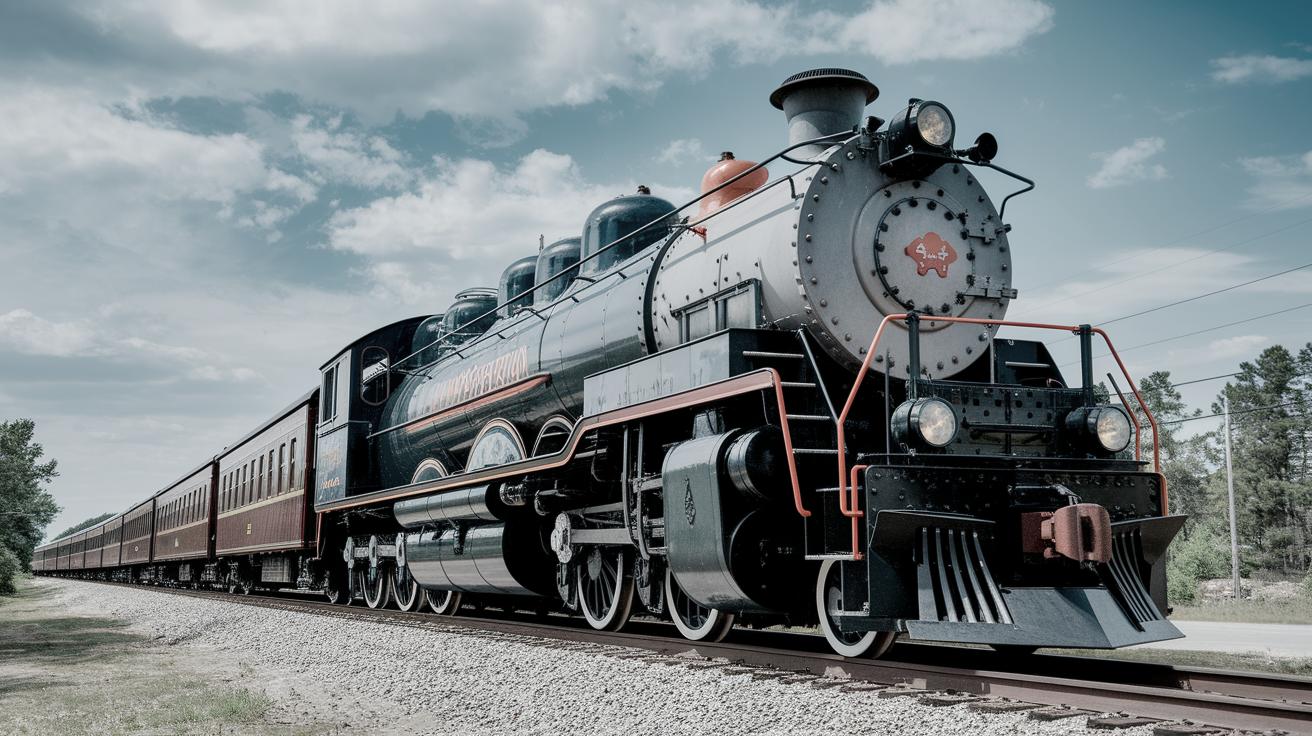
When Did Steam Engines Stop Being Used?
The emergence of steam engines marked a transformative era in human history, revolutionizing transportation and industry. This blog post explores the journey of steam power from its inception to its decline. Key areas include the development of steam trains, ships, and various machines. As technological advancements emerged in the 20th century, notably internal combustion engines and electricity, steam engines began to wane. Yet, their legacy and influence remain pivotal in understanding the evolution of modern technology. This exploration offers insight into the widespread use of steam and the eventual transition to more efficient power sources, highlighting the profound impact steam engines had on society.
1. Harnessing Steam Power
The story of steam power begins in the late 17th century when inventors like Thomas Savery and Thomas Newcomen developed primitive steam engines meant to pump water out of mines. These early machines laid the groundwork for later innovations, eventually leading to James Watt’s improvements in the 18th century, which significantly enhanced efficiency and power. Watt’s addition of a separate condenser was pivotal, making steam engines a viable power source for industrial applications.
As the Industrial Revolution took hold, steam engines became the driving force behind massive changes across various sectors. Factories, mills, and mines adopted steam power to increase productivity, reduce dependency on human and animal labor, and sustain growing industrial demands. The widespread adoption of steam engines was a crucial factor in the economic and social transformations witnessed during this period.
2. Steam Trains
The use of steam power in rail transportation began in the early 19th century, with the success of George Stephenson’s locomotives such as the “Rocket.” The speed and efficiency of steam trains revolutionized travel and commerce, drastically reducing the time required to transport goods and passengers across long distances. Railroads expanded rapidly, linking cities and facilitating the settlement of new territories, particularly in countries like the United States.
Despite their groundbreaking impact, steam trains eventually faced obsolescence due to the development of diesel and electric locomotives. By the mid-20th century, these more efficient, cleaner, and easier-to-maintain engines began to replace steam engines on railways worldwide. Countries like the UK and the US gradually phased out steam locomotives by the 1950s and 1960s, signaling the end of an era in rail transportation.
3. Steam-Powered Ships
Steam power also revolutionized maritime navigation. The introduction of steamships like Robert Fulton’s “Clermont” in 1807 marked the beginning of a new age for shipping. Steamships had significant advantages over traditional sailing vessels, offering greater speed and reliability. They were crucial in establishing transoceanic trade routes and facilitating international commerce.
Like their rail counterparts, steamships were eventually overshadowed by more advanced technologies. The advent of oil-powered ships in the 20th century offered increased efficiency and range, leading to a gradual decline in steam-powered vessels. By the 1950s, diesel engines began to dominate the shipping industry, rendering steamships largely obsolete, although some remained in use for specialized functions or as historical attractions.
4. Steam-Powered Machines
Beyond transportation, steam engines powered numerous machines critical to industrial and agricultural development. Steam-powered tractors, for instance, were instrumental in driving the mechanization of agriculture, allowing farmers to cultivate large areas more efficiently. Similarly, steam-powered machinery was central to textile manufacturing, mining operations, and construction.
However, as with transportation, the rise of electricity and internal combustion engines eventually displaced steam-powered machines in many sectors. These new technologies offered more consistent, manageable, and quicker power for industrial activities. By the mid-20th century, steam power in non-specialized industrial applications had largely been replaced, though many of the concepts and mechanics continued to influence engineering practices.
5. Consequences
The transition from steam to more advanced power sources had profound implications. Economically, this shift facilitated further advances in efficiency and productivity, opening new possibilities for innovation. Simultaneously, it allowed industries to expand in ways that were impractical with steam due to limitations on speed, cost, and environmental concerns.
Socially, the decline of steam power marked the end of a distinct technological era but also paved the way for more modern conveniences and lifestyle changes. The move toward cleaner and more efficient energy sources was crucial in addressing environmental challenges and raising awareness of sustainable practices. While steam engines are no longer a dominant technology, their legacy endures, reminding us of humanity’s ability to innovate and adapt to meet the changing needs of civilization.
Lessons Learned
| Section | Summary |
|---|---|
| Harnessing Steam Power | Laid the foundation for the Industrial Revolution by improving efficiency and productivity across various sectors. |
| Steam Trains | Revolutionized travel and commerce; replaced by diesel and electric locomotives by mid-20th century. |
| Steam-Powered Ships | Enabled faster and more reliable maritime travel and trade; phased out by oil-fueled ships in the 20th century. |
| Steam-Powered Machines | Crucial in industrial and agricultural applications; eventually replaced by electricity and internal combustion engines. |
| Consequences | Economic and social transformations; paved the way for modern energy solutions and environmental awareness. |