
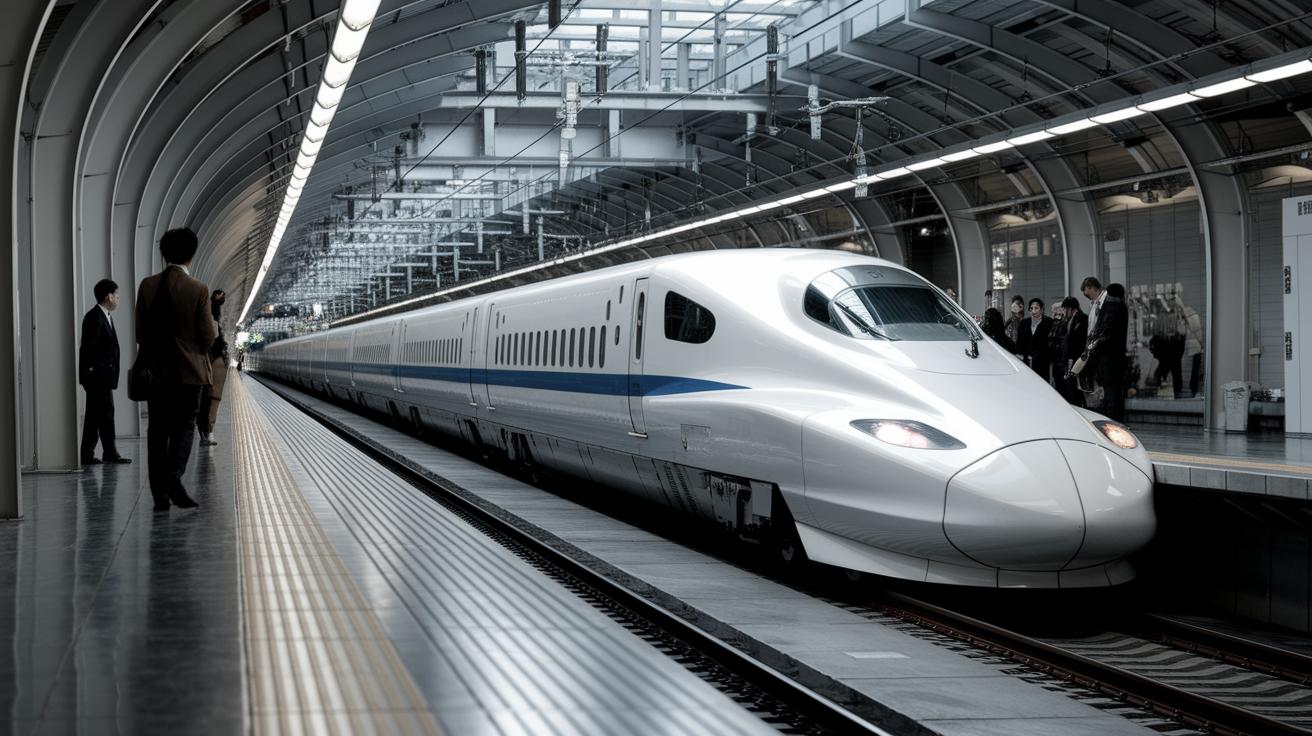
Japan’s Shinkansen: The Secrets Behind Its Perfect Safety Record
Since its inception, the Shinkansen, or “bullet train,” has been synonymous with speed, efficiency, and safety. As cherished as this high-speed rail is in Japan, the Shinkansen’s perfect safety record sets it apart on the global stage. This article explores the multifaceted components contributing to the Shinkansen’s unparalleled safety achievements. We delve into historical milestones such as the reduction of fatal passenger accidents, the influences of infrastructure on daily life, and pivotal growth periods like the World Expo that spurred development. Furthermore, the article uncovers the technological advancements, precision in scheduling, infrastructure engineering, training protocols, regulatory standards, and cultural ethos that collectively ensure every journey on the Shinkansen is a secure one.
Zero Fatal Passenger Accidents
The Shinkansen boasts an exceptional safety record, with zero fatal passenger accidents since it began operations in 1964. This remarkable achievement is due to several key factors. The rigorous engineering standards employed during the construction of Japan’s high-speed rail lines play a crucial role. From fortifying tracks against natural disasters to employing aerodynamic train designs that minimize risks, meticulous attention to detail has been paramount.
Moreover, advanced safety systems such as the Automatic Train Control (ATC) ensure that trains maintain safe speeds and distances at all times. The ATC continuously monitors and adjusts the train’s speed, preventing potential collisions. These technological advancements, coupled with swift response protocols for any anomalies or threats, have been instrumental in safeguarding passengers, thus upholding the Shinkansen’s stellar safety track record.
Changes in Travel and in Daily Life
The introduction of the Shinkansen drastically changed travel in Japan, influencing not just long-distance commuting, but also everyday life. Rail travel that was once time-consuming became swift and reliable, facilitating domestic tourism and business travel like never before. The rapidity of these trains enabled people to reconsider where they live and work, effectively shrinking the country’s perceived distances.
In urban areas, businesses expanded as more regions became accessible, stimulating economic growth. Socially, the Shinkansen fostered greater connectivity among people, enhancing cultural exchanges across Japan’s diverse regions. This ripple effect has had long-lasting implications, cementing the Shinkansen as an integral backbone in the nation’s infrastructure.
World Expo Encouraged Growth
The Shinkansen experienced significant promotion and international exposure during events such as the 1970 World Expo in Osaka. The Expo showcased Japan’s technological ingenuity on the global stage, with the bullet train as a centerpiece. The success of such events further spurred government investments and public interest in expanding the high-speed rail network.
This period marked a dynamic growth phase that aligned with Japan’s broader economic development strategies. As new lines and trains were introduced, the government prioritized safety and efficiency, reinforcing the systems that keep the Shinkansen running smoothly to this day.
Technological Innovation
The constant evolution of technology is a cornerstone of the Shinkansen’s impeccable safety record. ‘Continuous upgrades in train design, signal systems, and materials have played a crucial role. Innovations such as earthquake detection systems enable trains to halt immediately at the earliest sign of seismic activity, significantly reducing the risk to passengers.
Moreover, the integration of cutting-edge technologies like IoT and AI into operational protocols allows for preemptive detection and resolution of technical issues, ensuring that potential malfunctions are managed long before they pose any threat. These continuous technological advancements ensure that the Shinkansen remains at the forefront of rail safety globally.
Precision in Scheduling
One of the standout features of the Shinkansen is its precision in scheduling, with the average delay measured in mere seconds. This punctuality is not just a measure of operational efficiency but directly correlates with safety. By maintaining strict timetables, the potential for error by congestion or miscoordination is significantly reduced.
This level of precision requires an extensive framework of coordination among various teams, from conductors and engineers to station staff and control room operators. This synchronized system ensures that every element of the Shinkansen’s operations aligns perfectly, further contributing to its faultless safety record.
Infrastructure Engineering
The infrastructure supporting the Shinkansen is a marvel of engineering, designed to withstand natural disasters such as earthquakes and typhoons, which Japan commonly experiences. Elevated tracks, reinforced tunnels, and strict building codes ensure the rail system remains unfazed by external conditions that might compromise safety.
Additionally, continuous monitoring of the rail infrastructure through sensors and regular inspections ensures that any potential issues are identified and addressed swiftly. This proactive approach to infrastructure maintenance is key to maintaining the overarching safety paradigm of Japan’s high-speed rail network.
Comprehensive Training Protocols
Sophisticated training programs for all staff operating the Shinkansen underscore the importance of human factors in safety. From drivers to maintenance crews, each individual receives rigorous, ongoing training to not only operate the trains but also effectively respond to emergencies.
This dedication to staff training ensures that every worker on the Shinkansen is equipped with the knowledge and skills needed to uphold safety standards, manage unforeseen circumstances, and optimize passenger care in varying scenarios, thereby reinforcing the train’s trustworthiness and reliability.
Regulatory Standards and Oversight
The Shinkansen operates under stringent regulatory standards monitored by government agencies that enforce compliance across various safety dimensions. These robust regulations encompass everything from mechanical safety checks and operational processes to workforce management and emergency preparedness protocols.
Regular audits and checks ensure that all safety guidelines are adhered to, while continuous improvement programs strive to enhance these standards even further. The collective regulatory oversight fosters an environment where safety is prioritized at every level, solidifying the Shinkansen’s flawless record.
Cultural Ethos and Public Perception
The cultural ethos surrounding the Shinkansen is one of pride and respect, with rail safety deeply embedded in the Japanese mindset. This societal commitment to excellence and the meticulous nature of Japanese culture influence how the Shinkansen is operated and perceived.
For many, the bullet train is not just a mode of transportation but an emblem of national identity, representing Japan’s forward-thinking and commitment to quality. Public trust, supported by continuous transparency in operations, plays a critical role in maintaining passenger confidence and reinforcing the Shinkansen’s exemplary safety legend.
Future Prospects
As the demand for high-speed rail continues to grow, Japan’s Shinkansen stands as a testament to what is possible when safety and innovation are prioritized. The elements that contribute to its unblemished safety record offer valuable lessons for the burgeoning global high-speed rail sector.
Future prospects include the ongoing development of even faster trains equipped with superior technology, promising to maintain and possibly enhance the service’s safety and efficiency. International collaborations and technological exchanges could potentially pave the way for global enhancements in rail travel safety, using the Shinkansen as the archetype of excellence.
| Aspect | Detail |
|---|---|
| Zero Fatal Passenger Accidents | Through advanced safety systems and rigorous engineering, the Shinkansen has zero fatalities in its operational history. |
| Changes in Travel and in Daily Life | The Shinkansen redefined local and national travel, with significant impacts on daily life and socioeconomic factors in Japan. |
| World Expo Encouraged Growth | International events like the World Expo provided a platform for showcasing the Shinkansen, driving expansions and innovation. |
| Technological Innovation | Integration of IoT and AI technologies enhances proactive safety measures and operational efficacy. |
| Precision in Scheduling | Exacting coordination ensures trains run on time, minimizing risks associated with scheduling errors. |
| Infrastructure Engineering | Designed to withstand natural disasters, continuous infrastructure monitoring helps in maintaining structural integrity. |
| Comprehensive Training Protocols | Ongoing staff training ensures preparedness for any situation, maintaining high safety standards. |
| Regulatory Standards and Oversight | Stringent regulations at every operational level underscore the commitment to maintaining safety standards. |
| Cultural Ethos and Public Perception | Deep-rooted societal values and public trust play a vital role in the Shinkansen’s ongoing dedication to safety. |

