
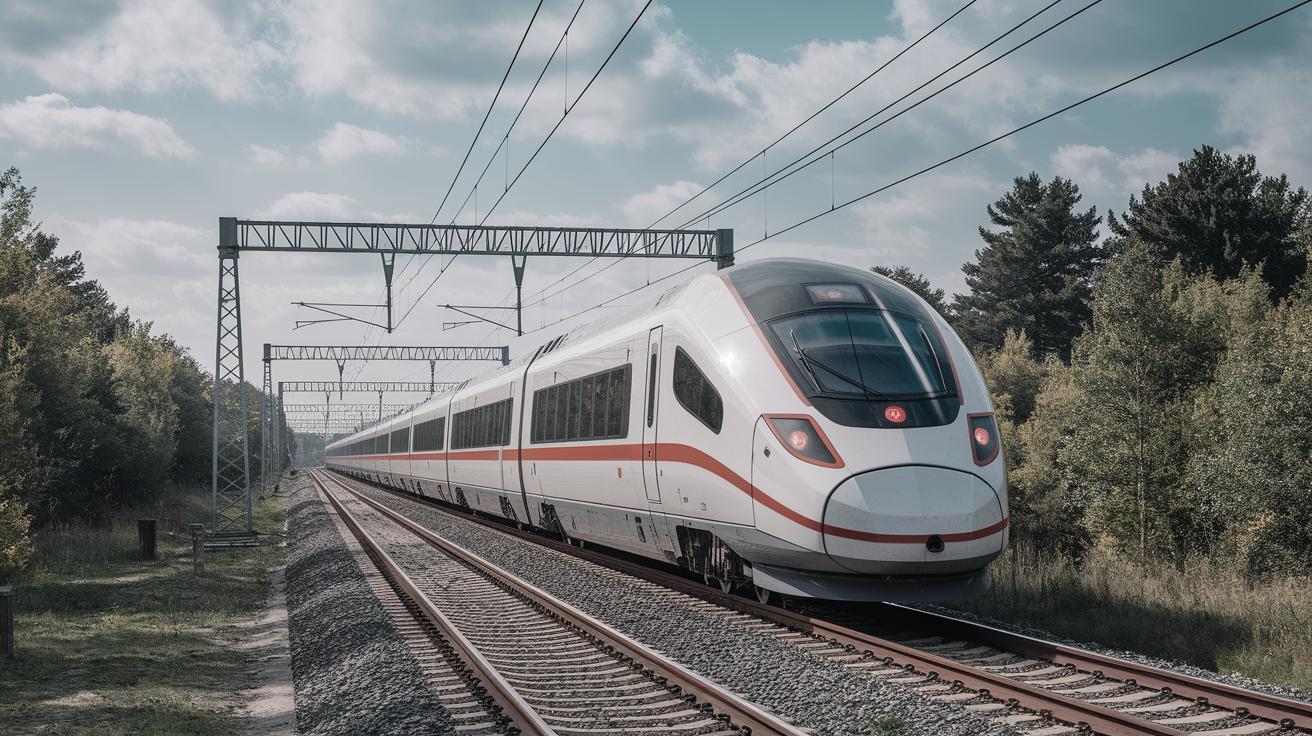
How Maglev Trains Could Replace Conventional HSR
As global transit systems seek sustainable and efficient solutions, maglev trains emerge as a groundbreaking alternative to conventional high-speed rail (HSR). By utilizing magnetic levitation technology, these trains promise faster, quieter, and smoother travel. This blog explores the essence of maglev trains, their operational mechanics, comparative advantages over traditional HSR, and their worldwide applications. Further, it delves into maintenance needs, environmental factors, and economic implications, providing a comprehensive view of whether maglev technology can redefine rail transport. Equipped with global insights and critical analysis, this article offers a roadmap for the future of high-speed travel, evaluating if maglev trains hold the key to next-generation transit.
Maglev Trains
What are Maglev Trains?
Maglev, short for magnetic levitation, refers to a transportation system where trains glide above tracks using two sets of magnets: one for levitation and the other for propulsion. These trains stand apart as they do not rely on traditional wheels-on-tracks methods. Introduced in the late 20th century, the concept has come a long way, promising a transportation revolution.
Unlike conventional high-speed rails that must overcome wheel and track friction, maglev trains float above the track. This system promises not only speed but also a reduction in wear and tear, which are pivotal for long-term sustainability. In essence, maglev technology represents a paradigm shift in understanding what is possible for ground-based urban and intercity transport.
How Do Maglev Trains Work?
At the core of maglev train systems is the principle of electromagnetic suspension. Magnets on the train interact with coils on the track to lift the train a small distance off the ground. This interaction reduces friction drastically, enabling smoother and faster travel. Linear motors propel the train forward by constantly switching the polarity of these magnets, creating strong magnetic fields that push and pull the train along its path.
Beyond the levitation and propulsion, the operational mechanics of maglev trains incorporate cutting-edge control systems that ensure stability and precision even at high velocities. The synchronization between levitation and propulsion systems is critical, demanding sophisticated algorithms and real-time data to maintain optimal performance and passenger safety.
Maglev Trains Speed
Maglev trains are renowned for their incredible speed capabilities, often surpassing conventional HSR. The absence of contact between the train and track allows these trains to achieve velocities that high-speed rails can only dream of. For instance, Japan’s L0 Series has recorded speeds exceeding 600 km/h during test runs, setting benchmarks for future maglev developments.
Speed isn’t merely about reaching a destination faster; it translates into increased economic productivity and logistical efficiency. With maglev technology, travel times between cities can be significantly reduced, enabling new commuting patterns and fostering regional economic integration. This attribute makes maglev trains especially attractive for densely populated regions where time equals money.
Advantages of Magnetic Levitation Trains
Among the numerous advantages of maglev trains, their eco-friendly nature stands out. Since they operate without direct emissions and utilize renewable electric power for propulsion, they represent a sustainable alternative to fossil fuel-dependent transport systems. Additionally, the silent operation of maglev trains helps in reducing noise pollution – a critical factor for urban environments.
Moreover, maglev trains offer a higher passenger capacity and reduced travel times without compromising comfort. The smooth ride minimizes travel fatigue, and with less mechanical complexity involved in the system’s design, maglev trains promise lower long-term operational and maintenance costs compared to conventional rail systems.
Maglev Use Cases Across the World
Maglev technology has taken different shapes across the globe, adapting to the specific needs of various regions. Japan’s Chuo Shinkansen line is a flagship example, setting standards for high-speed operational efficiency. China’s Shanghai Maglev provides another successful use case, demonstrating maglev’s capability to revolutionize urban transit in megacities.
Despite their sparse global presence as of now, interest in maglev technology is growing. Countries such as the United States, Germany, and South Korea are exploring potential projects. While commercial adoption remains limited, such initiatives highlight the untapped potential maglev trains hold for modernizing transport infrastructures worldwide.
Track Maintenance Comparison
Maglev Trains: Guideway Maintenance
One of the most notable advantages of maglev systems is the reduced maintenance of their guideways. Since trains do not make contact with the track, wear and tear on the guideways are minimal. This decreased physical strain on the infrastructure translates into extended periods between necessary maintenance checks, leading to less downtime and lower long-term maintenance costs.
The smooth levitation of maglev trains eliminates the need for constant rail alignments, which are regularly required for conventional rail tracks. Nevertheless, it demands rigorous monitoring systems for dynamic levitation and propulsion mechanisms, ensuring constant safety and efficiency.
Conventional Track Maintenance
Traditional HSR systems rely on regular tracks, requiring constant maintenance due to wear from wheel-track contact. Over time, these interactions deform the tracks, necessitating frequent realignments, repairs, and part replacements. Such activities result in higher maintenance costs and more frequent service interruptions.
Moreover, complex mechanical systems in HSR locomotives demand ongoing care and periodic overhauls to maintain operational efficiency. The maintenance of conventional tracks is labor-intensive and incurs significant resource allocation, impacting the total cost of ownership for traditional rail systems.
Advanced Maintenance Technologies
To mitigate some of the maintenance challenges, both maglev and traditional track systems are incorporating advanced technologies. Sensors and AI systems are being used to predict and preemptively address maintenance needs. These technologies enable real-time monitoring of track integrity and train performance, hence reducing unexpected downtimes.
Innovations such as predictive analytics and IoT-enabled devices play a crucial role in maintenance, allowing operators to make data-driven decisions for timely repairs and optimizations. These advancements signify a crucial step towards maximizing efficiency and minimizing the operational costs associated with rail maintenance.
Environmental Factors Affecting Track Maintenance
Environmental conditions significantly influence the maintenance requirements of both maglev and conventional tracks. Extreme weather conditions, such as heavy rains, snow, and heatwaves, can impact the integrity of infrastructure, affecting everything from track materials to electronic components.
For maglev systems, strong winds can pose challenges due to the high-speed nature of the trains. Hence, environmental assessments and protective measures, such as barriers and specialized track designs, are often incorporated to mitigate adverse conditions, protecting the system from environmental wear.
Maglev Train Environmental Considerations
Maglev trains are pivotal in reducing the carbon footprint thanks to their electric operation. Their reliance on renewable energy sources and potential integration with smart grids further enhance their sustainable credentials. Additionally, the silent operation reduces noise pollution considerably, benefitting nearby environments.
Despite these advantages, the initial setup of maglev systems can involve significant land use and ecological disruption. Careful planning and eco-friendly design must be integrated into construction phases to minimize environmental impact, ensuring these green transit solutions do not compromise natural landscapes.
Conventional Track Considerations
Conventional tracks have varying environmental footprints. While they are less energy-efficient compared to maglev systems, established networks try to mitigate this through electrification and sustainable energy integration. Nevertheless, the environmental impact of building and maintaining conventional tracks is notably higher due to extensive land use and resource consumption.
Noise pollution remains a significant concern for communities near traditional rail systems. However, recent advancements in rail design and infrastructure, such as noise barriers and improved train aerodynamics, are helping reduce the auditory footprint of conventional HSR systems.
Regional Adaptation and Challenges
Adapting maglev and conventional rails involves regional customization to address specific geographic, economic, and societal needs. Regions with existing rail infrastructure might face challenges transitioning to maglev systems due to cost, integration complexity, and public acceptance.
For regions developing new rail systems, maglev technology offers distinct benefits yet demands substantial initial investment and expertise. Moreover, overcoming regulatory hurdles and ensuring interoperability with other transit systems are critical for successful regional adaptation.
Cost and Resource Allocation
Implementing maglev systems requires significant upfront investment. However, their long-term cost benefits appear promising when considering reduced maintenance, operational, and environmental costs. Resource allocation must consider the prospective savings against initial expenditures to evaluate their economic viability comprehensively.
Conversely, conventional track systems, while requiring less initial investment, often incur greater long-term costs due to ongoing maintenance and fuel needs. Allocating resources for these systems necessitates extensive planning to assure sustainability amidst evolving transportation demands.
Maglev Track Economics
Economically, the cost dynamics of maglev tracks present both challenges and opportunities. While construction and technology investments are high, subsequent efficiency gains and lower maintenance contribute to an overall favorable economic picture. As technology advances and scales up, these costs are expected to become more manageable.
Funding mechanisms for maglev projects often involve public-private partnerships and international collaborations to mitigate risks and distribute costs. Additionally, secondary economic effects, such as job creation and enhanced connectivity, further bolster the financial argument for maglev investments.
Conventional Track Economics
Conventional track economics benefit from widespread acceptance and established financial models. These systems typically rely on a blend of public funding and private investment, benefiting from longstanding operational knowledge and an existing supply chain. However, their financial burden grows with the need for ongoing maintenance and system upgrades.
Economic sustainability of conventional tracks often hinges on maintaining high passenger volumes and freight traffic, leveraging economies of scale. However, as global emphasis shifts towards environmentally sustainable solutions, transitioning financial focus may eventually favor greener alternatives like maglev technology.
Can Maglev Trains Overcome the Need for Purpose-Built Tracks?
The critical challenge facing maglev adoption is the necessity for purpose-built tracks, distinct from existing infrastructure. Despite this, some innovative projects are exploring adaptable maglev technologies capable of retrofit in various environments, promising integration potential with lesser infrastructural upheaval.
The success of overcoming such infrastructural hurdles will heavily rely on technological innovation, broader financial models, and strategic deployment in locations where the advantages outpace those of conventional systems, potentially redefining the future of high-speed rail solutions.
Future Prospects
| Aspect | Maglev Trains | Conventional HSR |
|---|---|---|
| Speed | 600 km/h achievable | 320 km/h average |
| Maintenance | Lower due to non-contact operation | Higher due to track wear |
| Environmental Impact | Low emissions, quiet operation | Higher emissions, noise concerns |
| Cost | High initial, lower operational | Moderate initial, higher operational |
| Infrastructure | Requires specialized tracks | Uses existing rail networks |

