
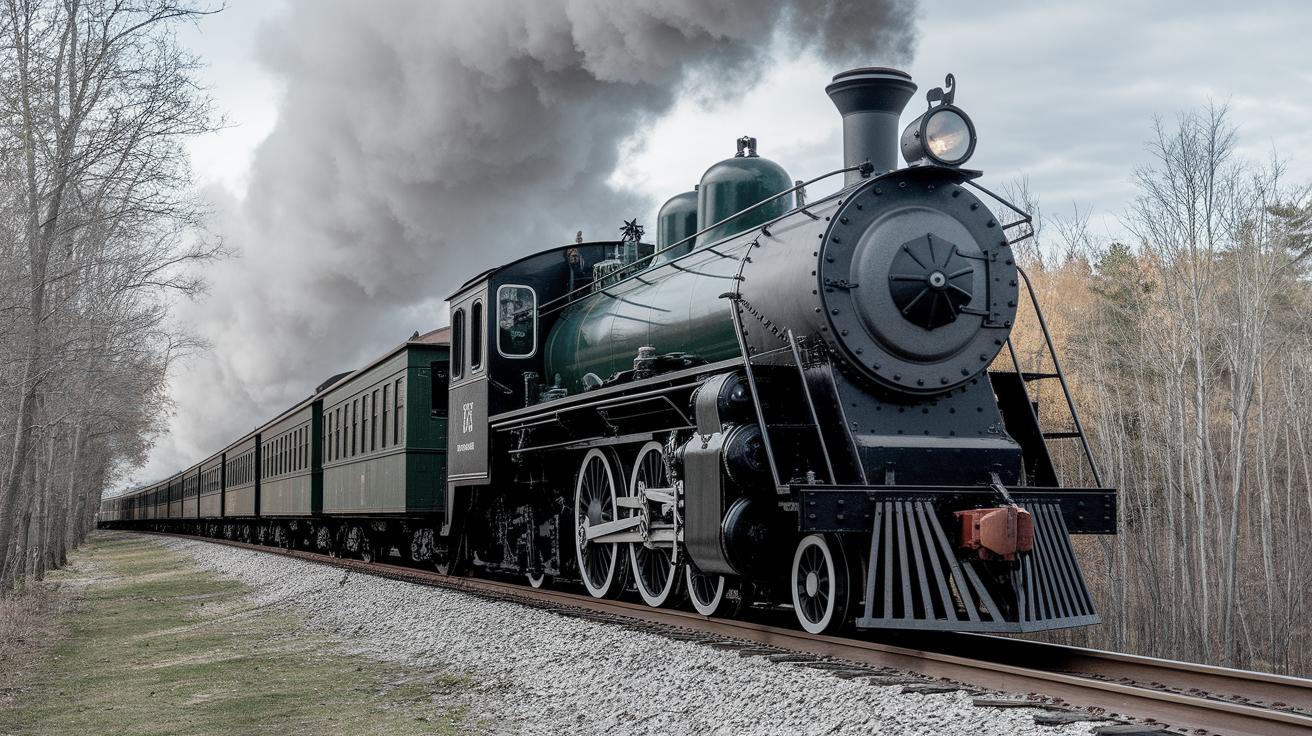
The Runaway Train Incident and Its Impact
In May of 2001, one of the most infamous incidents in railroad history occurred when CSX 8888, a train loaded with hazardous chemicals, became a runaway locomotive in Ohio, an event later popularized by the movie “Unstoppable.” This blog post dives into the real-life events of this runaway train incident, its portrayal in Hollywood, and the impact it had on safety regulations and rail industry standards. We’ll explore the mechanisms of locomotives, the efforts to halt the train, and the legacy that this pivotal disaster left in its wake. Understanding these elements not only gives insight into the technicalities of train operations but also offers lessons in crisis management and safety advancement.
The Real-Life Event Behind ‘Unstoppable’
Real Events Behind the Hollywood Thriller
The story behind the 2010 movie “Unstoppable” is rooted in reality, based on the CSX 8888 incident that occurred on May 15, 2001. The runaway train, also known as “Crazy Eights,” traveled uncontrolled through the state of Ohio, covering over 65 miles. Unlike many Hollywood thrillers where intentional sabotage takes the forefront, this incident was a result of human error and mechanical limitations.
The incident started when an engineer mistakenly left the throttle on full while attempting to realign a switch. The automatic braking system was also disengaged, setting the train in motion with no one aboard. This was not just a classic case of human oversight; it threw light on several other gaps in operational safety during that time.
CSX 8888: The Runaway Locomotive
Events Leading to the Runaway
On the day of the incident, an engineer was operating CSX 8888 as part of a routine delivery route. During this time, he dismounted the locomotive to engage a track switch, believing the throttle to be in a safe position. Unbeknownst to him, the locomotive was set in notch 8, a full-throttle position, causing it to move down the track without any human control.
Compounding the issue, the automatic braking system intended to prevent such occurrences failed to engage. Alarms rang out across stations, signaling an anomaly, but it took precious time for operators to comprehend the gravity of the situation. Consequently, CSX 8888 had already begun its accidental journey across Ohio.
The Path of CSX 8888
The runaway locomotive, weighing thousands of tons and loaded with toxic cargo, posed a significant danger as it barreled through the Ohio countryside. Traveling more than 65 miles per hour, its path crossed through various towns and small communities, raising concerns about potential derailments and chemical spills.
Local safety officials worked closely with CSX personnel to track the train’s path. Meanwhile, law enforcement and emergency responders were placed on high alert in affected areas. The train’s relentless pace created an urgent atmosphere, as more drastic measures to stop it were considered.
Efforts to Stop the Train
Stopping CSX 8888 involved a concerted effort between CSX workers, local authorities, and various emergency services. An initial attempt to slow the train using a derailer failed, highlighting the challenge of putting an end to such momentum. As panic ensued, another plan emerged.
Ultimately, the runaway train was halted by a brave engineer and conductor who chased down and boarded the locomotive, bringing it safely to a stop. This extraordinary effort exemplified courage and quick thinking and provided a blueprint for handling future railway emergencies.
Unstoppable: The Hollywood Representation
Creation of the Film
Directed by Tony Scott and starring Denzel Washington and Chris Pine, “Unstoppable” hit theaters in 2010 as an exhilarating action thriller inspired by the real-life incident of CSX 8888. Known for its high-octane action and precise direction, the film captured the essence of the runaway train concept.
The film production team focused on translating the frightening reality of an unstoppable train into cinema while maintaining a gripping narrative. With Scott at the helm, the film utilized an intense score, dynamic camera work, and stellar performances to enthrall audiences worldwide.
Differences from the True Story
While “Unstoppable” took inspiration from the true events of the CSX 8888 incident, several creative liberties were applied to enhance the movie experience. For instance, fictional characters were inserted to heighten drama and emotion, and additional obstacles were added to the plot to augment suspense.
The film also depicted the runaway scenario as an act of heroic valor, focusing more on the individuals involved rather than the technicalities of the incident. Such deviations, while providing entertainment value, diverted attention from the operational and systemic error aspects of the original story.
Thematic Elements and Cultural Impact
Public Perception and Media Coverage
The runaway incident and subsequent film adaptation garnered significant public and media attention. The drama’s portrayal as a high-stakes event in the public eye underscored deep-seated fears regarding transportation safety and human error.
As the story captivated audiences, discussions surrounding safety protocols and emergency response intensified. The incident’s portrayal in “Unstoppable” further fueled curiosity, prompting many to explore the real-life events that inspired the fictional narrative.
Influence on Rail Industry Practices
The CSX 8888 incident acted as a crucial wake-up call for the rail industry, casting a spotlight on the limitations of then-existing safety protocols. The aftermath saw an overhaul of several operational procedures, aiming to prevent future runaway train scenarios.
Enhanced training programs, revised emergency response guidelines, and updated equipment were implemented across various rail companies. This period marked a significant transformation in industry practices, emphasizing safety and preventative measures.
Technical Aspects of Railroad Operations
Mechanics of Locomotives
The incident of CSX 8888 shone a light on the mechanics behind modern locomotives. These engines operate with complex systems designed to efficiently transport cargo, but even slight miscalculations can yield disastrous outcomes.
Interestingly, locomotives are equipped with multiple safety features intended to manage speed and automate braking in emergency situations. However, as evidenced by the runaway, any lapse in these mechanisms can lead to catastrophic results, necessitating constant vigilance.
Railroad Safety Mechanisms
Railroads are inherently dangerous, and the CSX 8888 event highlighted the crucial role of safety mechanisms in railway operations. While mechanisms like the automatic braking system are essential, their failed application in 2001 pinpointed significant loopholes in security protocols.
In response, new technologies and systems were developed to ensure these safety mechanisms worked seamlessly. Innovations included more robust fail-safe options, stricter adherence to operating procedures, and enhanced remote monitoring capabilities.
The Aftermath and Safety Regulations
Changes in Protocols
Following the CSX 8888 escapade, rail industry leaders collaborated on crafting comprehensive policy changes targeting increased safety and emergency preparedness. Operators underwent more rigorous training programs focusing on human error mitigation and crisis response.
Additionally, there was a move to implement technological upgrades within rail systems, including automated controls and predictive maintenance algorithms. These strategies aimed to anticipate potential fail-points, reducing the risk of runaway scenarios.
Legacy of the CSX 8888 Incident
The CSX 8888 incident left an indelible mark on the rail industry, serving as a catalyst for change and inspiring a reevaluation of operational priorities. The Runaway Train emphasized the necessity of implementing comprehensive safety protocols to protect infrastructure and human lives.
Through the airline-like safety measures now adopted, today’s rail systems are more secure. Enhanced oversight and continuous monitoring maintain a focus on safety, ensuring that such runaways remain firmly a thing of the past.
Box Office and Reception
The film “Unstoppable” was not only a commercial success but also critically acclaimed, drawing accolades for its gripping narrative and intense action sequences. Critics praised the performances of Washington and Pine, and the movie enjoyed a sizeable box office turnout.
The reception of “Unstoppable” also highlighted the public’s fascination with real-life thrillers and their appreciation of cinematic storytelling. The movie’s success demonstrates the potency of translating factual events into enthralling narratives, fostering both entertainment and reflection.
Lessons Learned
| Category | Summary |
|---|---|
| The Real Event | The CSX 8888 runaway train highlighted systemic and human errors, becoming a touchstone for implementing stronger safety measures in rail operations. |
| Hollywood Adaptation | “Unstoppable” dramatized these events, focusing on heroism and entertainment while slightly deviating from factual precision. |
| Cultural and Industry Impact | The incident and film underscored the importance of safety and resulted in technological and procedural advancements within the rail industry. |
| Technological Insights | Highlighted the mechanics and safety functions of locomotives, pushing for technological upgrades in train management systems. |
| Public and Media Perception | The incident drew extensive media coverage, inspiring dialogue about transportation safety and crisis management. |

