
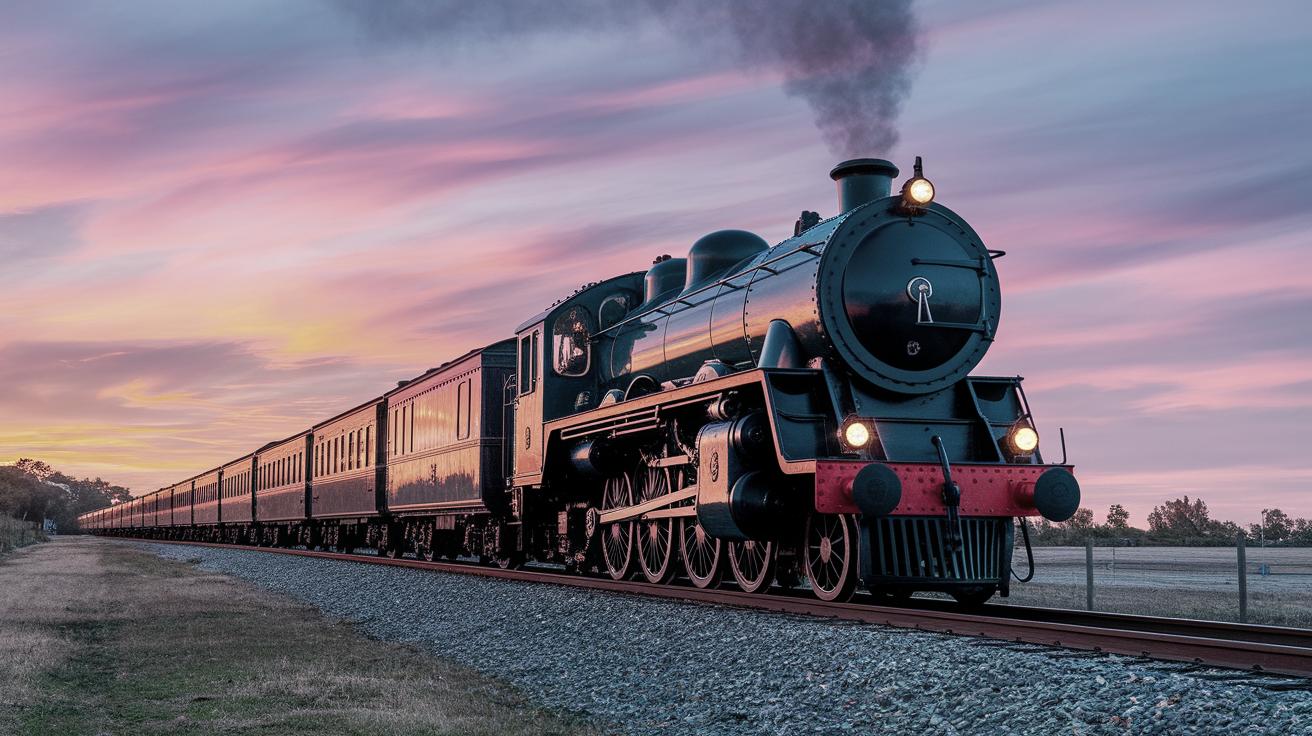
How to Photograph Trains Like a Professional
Engaging in train photography can be a thrilling hobby as well as a rewarding professional pursuit. This blog post will guide you through how to capture stunning images of trains, similar to those found in magazines and professional galleries. We’ll cover where to find trains, essential safety tips, techniques for photographing both the interiors and exteriors of trains, and extra tips for capturing the perfect shot. Plus, we’ll share some helpful resources and introduce you to train photography expert, Jamie MacDonald. Whether you’re a novice or an experienced photographer, there’s plenty to learn about capturing the power, elegance, and nostalgic allure of trains.
FINDING A TRAIN
Locating trains to photograph can be a fun and adventurous part of the journey. Many photographers begin at their local railway station, where the hustle and bustle provide ample opportunities for candid shots. Researching and visiting active rail lines, historic railways, or train museums can also yield captivating subjects. You might consider reaching out to train enthusiasts or joining online communities to discover lesser-known spots.
Let’s begin with a word about safety when photographing trains.
Your safety should always be a top priority when photographing trains. It’s crucial to be aware of your surroundings at all times and keep a safe distance from railway tracks. Trains are often faster and quieter than they appear, so always remain vigilant. Adhere to local laws and regulations, particularly when on railway property, as unauthorized access to certain areas can be dangerous and illegal.
Another key safety tip is to avoid distractions while on site. It’s easy to get swept up in the excitement of capturing the perfect shot, but maintaining focus is vital. Use equipment that does not hinder your ability to move quickly if necessary, and never attempt to photograph on railway bridges or tunnels as these locations pose significant risks.
MAKING THE SHOTS: INTERIOR
Photographing the interior of a train can create a compelling narrative about the travel experience. Start by capturing the details that tell a story, such as the patterns on seats, unique signage, or the interplay of light streaming through windows. These elements can convey the charm and character of an era or the daily lives of passengers.
When taking interior shots, experiment with angles and light to enhance mood and interest. Capture the length of the car from an end perspective to emphasize depth, or step back to encompass the entirety of the carriage for broader context. Natural light is your friend; taking advantage of diffused sunlight will yield softer images compared to harsh, direct lighting. Don’t overlook the possibilities of shooting during dawn or sunset when the light can add warmth and drama.
MAKING THE SHOTS: EXTERIOR
The exterior shots of trains are where you can really emphasize their strength, scale, and timeless beauty. A good starting point is capturing the motion of a train using slow shutter speeds, which will require a tripod for stability. This technique highlights the velocity and dynamism of trains against a static background.
Composition is critical when photographing train exteriors. Frame your subjects by considering the landscape around them—include bridges, tunnels, or passing through a bustling station for context. Midday light may present challenges with harsh shadows and highlights, so aim for early morning or late afternoon for optimal conditions. Additionally, shooting in overcast weather can offer even lighting to showcase details without harsh contrasts.
BONUS SHOTS
Once you’ve mastered the basics, there are plenty of creative approaches to explore with train photography. Reflection shots, incorporating water or glass surfaces, can add a unique perspective. Alternatively, focus on smaller details, like old tracks winding away, that tell a richer story.
Utilize leading lines to direct the viewer’s eye through the photograph, creating depth and interest. Night photography is another intriguing option, capturing the allure of trains under starry skies or urban lights. Remember, the beauty of photography often lies in experimentation, so don’t be afraid to try new techniques.
RELATED LINKS
To further enrich your understanding of train photography, check out these valuable resources:
-
Center for Railroad Photography & Art
– A wealth of history and photographic inspiration. -
Trainmasters TV
– Offers videos and guides on model and real trains photography. -
National Train Day
– Celebrate and photograph trains across the country.
ABOUT JAMIE MACDONALD
Jamie MacDonald is an accomplished photographer renowned for his captivating imagery of trains and railways. With decades of experience, Jamie’s work embodies a passion for capturing trains in their various forms, from historic steam engines to modern high-speed marvels. He travels extensively to document these magnificent machines and frequently shares his expertise through lectures and workshops.
Through his engaging storytelling and technical skill, Jamie brings the world of trains to life, inspiring both budding photographers and lifelong enthusiasts to see the beauty in these incredible machines. Following Jamie’s work is a wonderful way to enhance your own photography journey, as he offers insights that go beyond just taking pictures—they reveal narratives that define an era.
Lessons Learned
| Section | Summary |
|---|---|
| Finding a Train | Explore local, historic, or active train lines while ensuring safety. |
| Making the Shots: Interior | Capture details and play with lighting to tell a story inside the train. |
| Making the Shots: Exterior | Utilize composition and timing to emphasize trains’ strength and beauty. |
| Bonus Shots | Experiment with reflections, leading lines, and night shots for creativity. |
| Related Links | Resources to deepen knowledge and skills in train photography. |
| About Jamie MacDonald | Industry expert with a passion for capturing the essence of trains. |

