
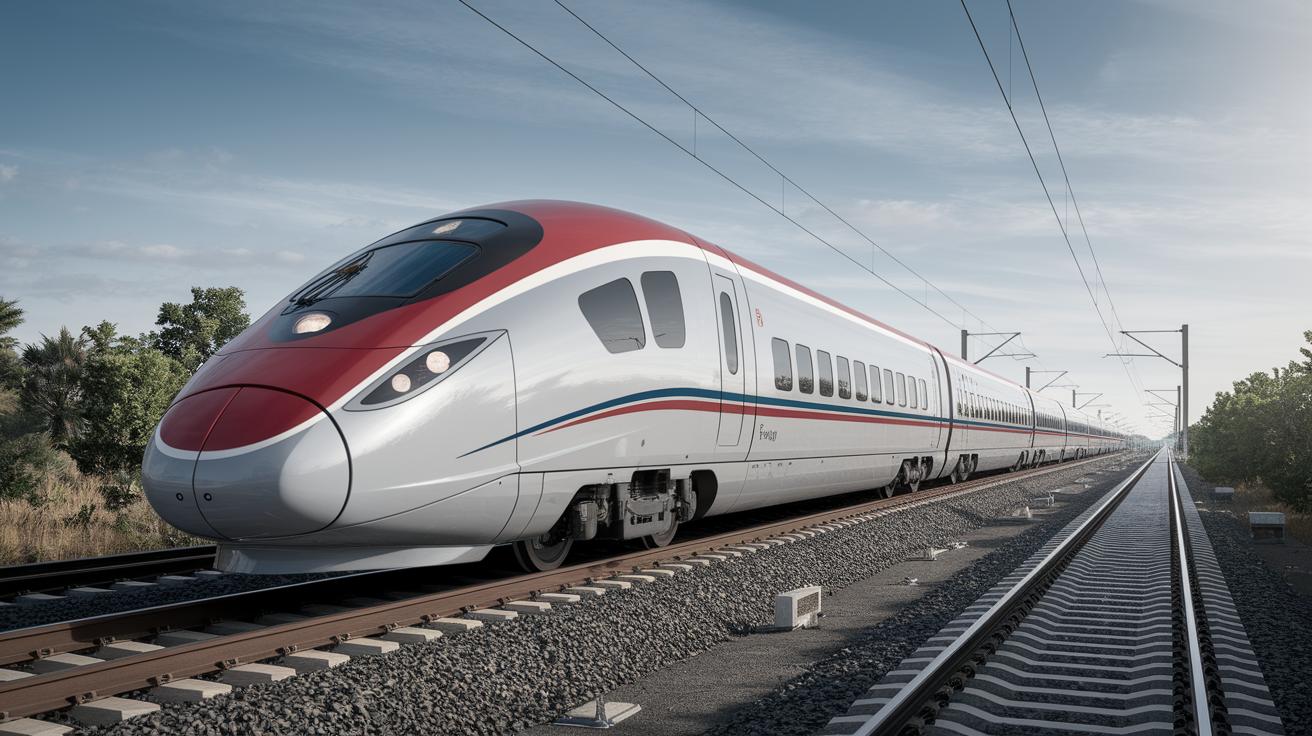
Maglev Trains vs. Traditional High-Speed Rail
In the quest for faster and more efficient modes of transportation, both maglev trains and traditional high-speed rail have emerged as key players. Each offers unique advantages and challenges in terms of speed, technology, maintenance, environmental impact, cost, and adaptation. This post explores the intricate dynamics of magnetic levitation trains, comparing them to conventional rail systems. We’ll delve into how maglev trains work, their operational benefits, global usage, as well as the economic implications of maintaining these technologies. Additionally, we’ll examine environmental considerations and the regional adaptations required for deploying these transport solutions worldwide.
Maglev Trains
What are Maglev Trains?
Magnetic levitation, or maglev, trains represent a leap forward in high-speed rail technology. Unlike conventional trains, maglev systems do not rely on wheels to drive on tracks. Instead, they float above the tracks using a pair of powerful magnets, which virtually eliminates friction and allows for smoother, faster travel. This groundbreaking concept shifts the paradigm of how we perceive and handle high-speed travel.
The origins of maglev technology trace back to early 20th-century experiments; however, it wasn’t until the latter part of the century that the concept was effectively applied to passenger transport. Today, maglev trains are seen as the future of high-speed travel, with proponents citing their efficiency and speed over traditional systems.
How Do Maglev Trains Work?
Maglev trains operate using electromagnetic suspension systems. These involve magnets that produce elevation of the train above the track as well as propulsion along it. There are two primary types of maglev technologies: electromagnetic suspension (EMS) and electrodynamic suspension (EDS). In EMS, magnets positioned for attraction keep the train levitated slightly above the guideway. EDS, on the other hand, uses repulsion to raise the train.
This technology allows maglev trains to reach high speeds by eliminating the friction caused by wheels and track contact. Instead of traditional tracks, maglev systems use guideways specifically designed to accommodate the electromagnetic forces that lift and propel the train.
Maglev Trains Speed
One of the defining characteristics of maglev trains is their unparalleled speed. Maglev trains operate at speeds up to 600 kilometers per hour (about 373 mph), surpassing conventional high-speed rail’s maximum speed capabilities. The Shanghai Maglev, for instance, can reach speeds of 431 km/h (267 mph), making it one of the fastest commercial trains in the world.
The absence of physical friction from tracks allows maglev trains to maintain these high speeds with less wear and tear on the equipment, translating into reduced maintenance needs and an overall more sustainable operation model.
Advantages of Magnetic Levitation Trains
Beyond speed, maglev trains offer numerous other advantages. They are known for their whisper-quiet operation, as the lack of physical contact with tracks results in considerably less noise pollution, making them ideal for urban environments. Additionally, maglev trains provide a consistently smoother ride, devoid of the bumps associated with traditional railway tracks.
Also, with fewer moving parts, maglev systems tend to be more reliable and experience shorter downtimes. The reduction in mechanical contact not only minimizes maintenance requirements but also significantly extends the lifespan of the infrastructure.
Maglev Use Cases Across the World
Various countries have successfully embraced maglev technology, with Japan and China leading the way. Japan’s planned Chuo Shinkansen Line aims to connect Tokyo and Nagoya by 2027 using the maglev system, transforming the landscape of domestic travel with record travel times. China operates the Shanghai Maglev Train, a high-speed commuter option that cuts travel time significantly between Pudong Airport and Longyang Road.
While maglev systems present promising value propositions, other regions face challenges such as high upfront infrastructure costs and regional-specific technological adaptations. Nevertheless, countries continue to explore pilot projects and feasibility studies to evaluate maglev’s potential impact.
Track Maintenance Comparison
Maglev Trains: Guideway Maintenance
Maglev guideway maintenance presents unique attributes compared to conventional railway systems. Given the absence of direct physical contact, guideways experience reduced degradation over time, translating into longer lifespans and lower maintenance costs. Regular checks ensure that the guideway’s magnetic systems function correctly, preventing potential disruptions or safety issues.
Despite reduced wear and tear, maglev guideways require precise and periodic stability assessments and recalibrations of the magnetic infrastructure, crucial for unimpeded operations. Advanced technologies like real-time monitoring systems employ sensors and software to predict necessary maintenance activities before failures occur, enhancing efficiency and cost-effectiveness.
Conventional Track Maintenance
Traditional high-speed rail maintenance is a more labor-intensive process due to the continuous friction between train wheels and the rails. Regular track maintenance includes aligning, grinding, and replacing worn-out parts, ensuring safety and minimizing the risk of derailments. Such rigorous upkeep measures are essential to maintain operational integrity, ultimately affecting service frequency and costs.
Traditional rail systems rely on manual inspections augmented by technological aids to identify maintenance needs. This combination ensures that trains continue to offer service with minimal disruptions, albeit at higher maintenance costs relative to maglev technology.
Advanced Maintenance Technologies
Both maglev and traditional rail systems are increasingly integrating advanced maintenance technologies to enhance operational reliability and efficiency. Innovations like predictive maintenance help in diagnosing infrastructure issues before they escalate. Data analytics, IoT devices, and artificial intelligence are pivotal in these advancements, enabling better planning and reducing unforeseen service interruptions.
Advanced technology adoption in maintenance processes not only cuts down on repair costs but also extends the lifespan of both maglev and conventional rail systems. These technologies enable transportation authorities to optimize scheduling and resource allocation, meeting the rising demands for reliable and safe high-speed travel.
Environmental Factors Affecting Track Maintenance
Maglev Train Environmental Considerations
As environmentally conscious transport solutions gain prominence, maglev systems present several ecological advantages. They operate on electricity, eliminating the carbon emissions related to diesel-powered transportation. Moreover, their reduced noise pollution significantly lowers environmental disturbances in populated areas.
However, the environmental benefits of maglev trains require resource-intensive manufacturing processes and materials for the initial infrastructure. Thus, the potential ecological impact of deploying maglev systems is offset by the long-term sustainability benefits and a smaller carbon footprint during operation.
Conventional Track Considerations
Conventional high-speed rail systems, particularly those relying on fossil fuels, have faced scrutiny over their carbon emissions. Shifting towards cleaner energy sources and electrified grids helps mitigate environmental impacts; however, fuel inefficiencies remain, especially in older systems. Additionally, the ongoing maintenance needs of conventional tracks contribute to the environmental cost over time.
Innovations aimed at enhancing fuel efficiency and technologies inspired by maglev systems are gradually reducing the environmental footprint, but significant challenges remain in retrofitting existing systems with newer, greener technologies.
Regional Adaptation and Challenges
Both maglev and conventional rail systems face regional adaptation challenges that influence their deployment. Variations in geographical terrains, climate, and development priorities necessitate tailored solutions for each technology’s successful integration.
While maglev systems demand significant upfront investments and specialized infrastructure, the benefits of high speed and sustainability can justify the costs in densely populated regions. Alternatively, improving traditional rail systems with modern efficiencies may present a more pragmatic approach in areas with existing extensive rail networks.
Cost and Resource Allocation
Maglev Track Economics
The economics of maglev systems primarily revolve around their substantial initial investment in infrastructure, which dwarfs conventional rail implementation costs. However, reduced operating and maintenance costs, alongside potential revenue from increased passenger numbers due to faster travel times, provide an avenue for long-term profitability.
Government and private sector investments remain integral to deploying maglev systems, often fueled by public-private partnerships when long-term economic gains outweigh short-term financial burdens. Policymakers and engineers collaborate extensively to resolve fiscal challenges while capitalizing on maglev’s competitive edge.
Conventional Track Economics
Conventional high-speed rail presents a more cost-effective alternative in terms of initial infrastructure expenditure. Existing rail networks only require upgrades rather than entirely new setups; however, this economic benefit may be undermined by high maintenance and operational costs.
As demand for faster public transport rises, conventional tracks need consistent funding for modernization efforts, exploring cost-effective maintenance strategies. Maximizing the potential of existing infrastructure ensures continued service affordability and minimal taxpayer burden.
Can Maglev Trains Overcome the Need for Purpose-Built Tracks?
One of the chief barriers to widespread maglev adoption is its reliance on purpose-built guideways. This requirement can be prohibitively expensive when considering retrofitting existing rail lines. However, research into hybrid systems, incorporating both maglev and traditional technologies, presents an alternative focusing on cost-efficient incremental deployment.
Efforts to reduce the cost barrier associated with purpose-built tracks involve increasing modularity and adaptability in maglev systems. Cross-disciplinary collaboration fuels innovation in designing hybrid infrastructure conducive for progressive adoption at regional scales, fostering broader acceptance.
Next Steps
| Category | Maglev Trains | Traditional High-Speed Rail |
|---|---|---|
| Speed | Up to 600 km/h | Up to 300 km/h |
| Maintenance | Less intensive, less friction | Frequent, more friction |
| Environmental Impact | Low emissions, noise reduction | Varied, dependent on energy source |
| Cost | High initial, low upkeep | Lower initial, higher upkeep |
| Regional Adaptation | Purpose-built tracks needed | Existing networks upgradeable |

