
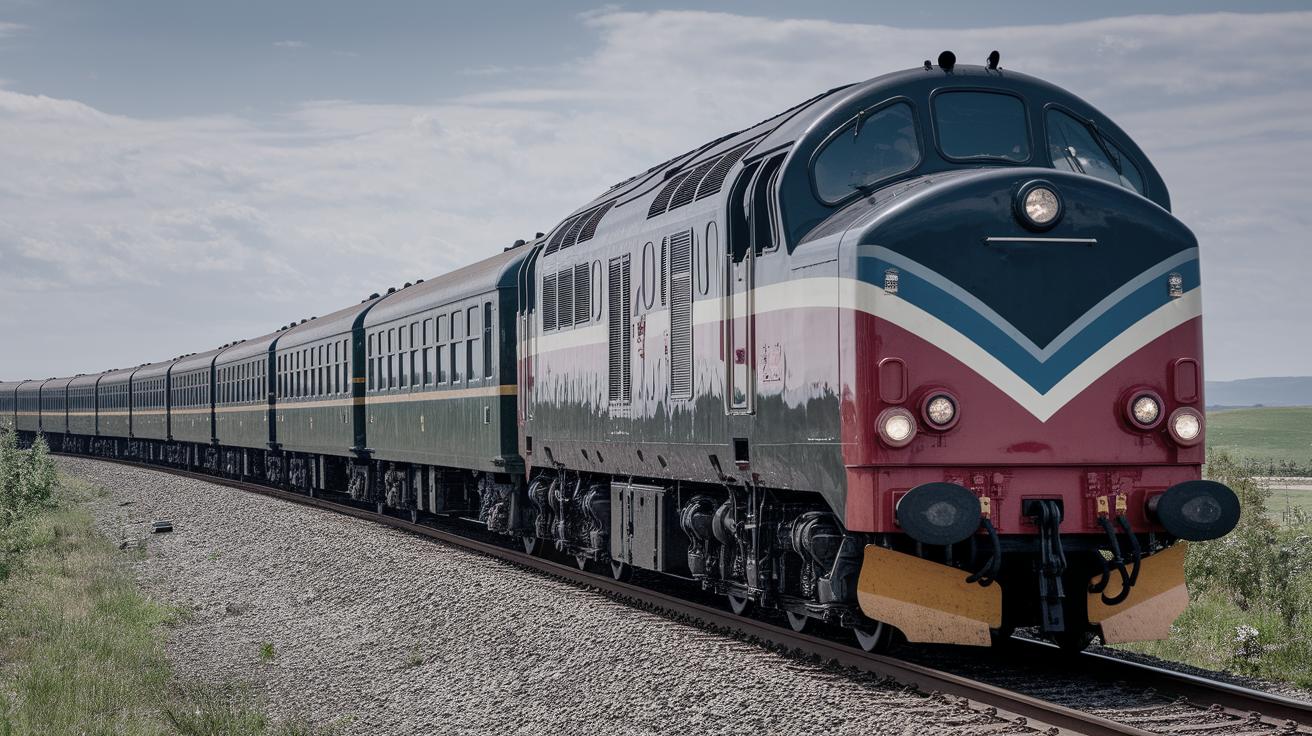
Why Some Countries Still Use Diesel Trains
Diesel trains remain a significant component of rail systems across the globe despite the increasing shift towards electrification. This blog post delves into the world of electric trains and their sustainable future while investigating why diesel-run locomotives continue to hold relevance in certain regions. We’ll explore the current status of electric trains, their benefits versus their limitations, and discuss the role of innovative companies such as ARCA Catenaria in pioneering rail electrification. Our journey will take us through both the existing framework and the future potential of sustainable rail transport solutions around the world.
Electric trains
What are they and how do they work?
Electric trains are powered by electricity drawn from overhead lines or an electrified rail track. They employ electric motors that convert electric energy into mechanical energy for motion, offering a cleaner alternative to diesel counterparts. The adoption of electric trains is often favored for high-speed rail networks due to their efficiency and reduced environmental footprint.
These trains function by using a pantograph that contacts the overhead catenary system to draw power. The electric current runs through onboard transformers and powers the motors that rotate the wheels, propelling the train forward. This system allows for regenerative braking, whereby trains can recapture some of the energy used during braking, providing an additional efficiency benefit.
What is their current situation in the world?
Globally, electric trains have gained substantial traction, especially across Europe and parts of Asia where extensive networks have been established. Countries like Japan, France, and Germany have invested heavily in electric rail infrastructure, allowing them to operate some of the fastest and most efficient trains worldwide. High-speed lines, such as Japan’s Shinkansen and France’s TGV, demonstrate the capabilities of electric rail systems in terms of speed and frequency.
Conversely, in regions like North America and Australia, the penetration of electric trains remains limited. Various factors, including geographical challenges, economic considerations, and policy decisions, contribute to the varied adoption of electric trains. Electrification projects tend to focus on high-density intercity routes, leaving extensive rural and freight networks often reliant on diesel technology.
What are the advantages and disadvantages of electric trains?
Electric trains offer several notable advantages, including lower operational costs, reduced greenhouse gas emissions, and decreased noise pollution compared to diesel-powered trains. They are typically more reliable and capable of achieving higher speeds, making them ideal for passenger services on major routes. Furthermore, the electric infrastructure facilitates energy autonomy through renewable sources, an area of growing interest for sustainable development.
However, the drawbacks of electric trains mainly concern the initial investment in infrastructure, which requires significant funding and time. The need for continuous maintenance of electrification systems also adds to operational complexities. These challenges make the conversion less feasible in regions with limited financial resources or those requiring extensive overhauls of existing railways.
What is the best way to ensure a sustainable future for rail transport?
A sustainable future for rail transport hinges on a balanced approach that integrates technology advancements, efficient resource management, and strategic investments. Key measures include increasing the electrification of major railways and employing hybrid or fully alternative fuel trains for regions where full electrification is impractical. Emphasizing public transportation within urban planning can also enhance efficiency and reduce reliance on private vehicles.
Government policies play a critical role in promoting greener rail transport by offering incentives and subsidies for electrification projects and encouraging innovation in train technology. Collaborations between public and private sectors can further streamline development efforts, while international cooperation can lead to shared solutions and technologies that advance the broader goals of sustainable transportation globally.
Other news
A journey through ARCA Catenaria: innovation, growth, and the future
ARCA Catenaria stands at the forefront of rail electrification technology, consistently advancing solutions that underpin modern rail systems worldwide. Their efforts focus on developing efficient catenary systems that not only enhance current performance but also anticipate the future demands of rail networks. ARCA’s commitment to innovation fosters growth within the industry, ensuring that technologies evolve in tandem with the global push towards sustainable transportation.
By investing in research and development, ARCA Catenaria champions the design of lightweight, durable, and easy-to-install electrification components, setting new standards for efficiency and cost-effectiveness. Their role in large-scale projects exemplifies the potential impact of targeted innovation on the overarching sustainability goals within the rail sector.
How ARCA powered the overhead electrification of the Maya Train in Mexico
One notable project showcasing ARCA Catenaria’s proficiency is their contribution to the Maya Train initiative in Mexico. This endeavor aims to transform regional connectivity in the Yucatán Peninsula by introducing a sustainable, electric rail network to support both tourism and local commuting. ARCA’s electrification solutions have been pivotal in the project’s execution, ensuring efficient power distribution across the newly established lines.
The Maya Train project encapsulates the potential benefits of electrification, from reducing environmental impacts to bolstering economic activities in the region. Through ARCA’s efforts, the Maya Train is poised to serve as a model for similar ventures globally, demonstrating the attainable synergy between technology, infrastructure, and sustainable development.
Final thoughts
| Topic | Summary |
|---|---|
| Electric trains | Electric trains are efficient, environmentally friendly, and preferred for high-speed routes, with limitations in large-scale infrastructure investment. |
| Sustainable future | A balance of electrification, hybrid solutions, and strategic policy measures are crucial for sustainable rail development. |
| ARCA Catenaria | Innovative leader in rail electrification, contributing significantly to projects like the Maya Train in Mexico. |

