
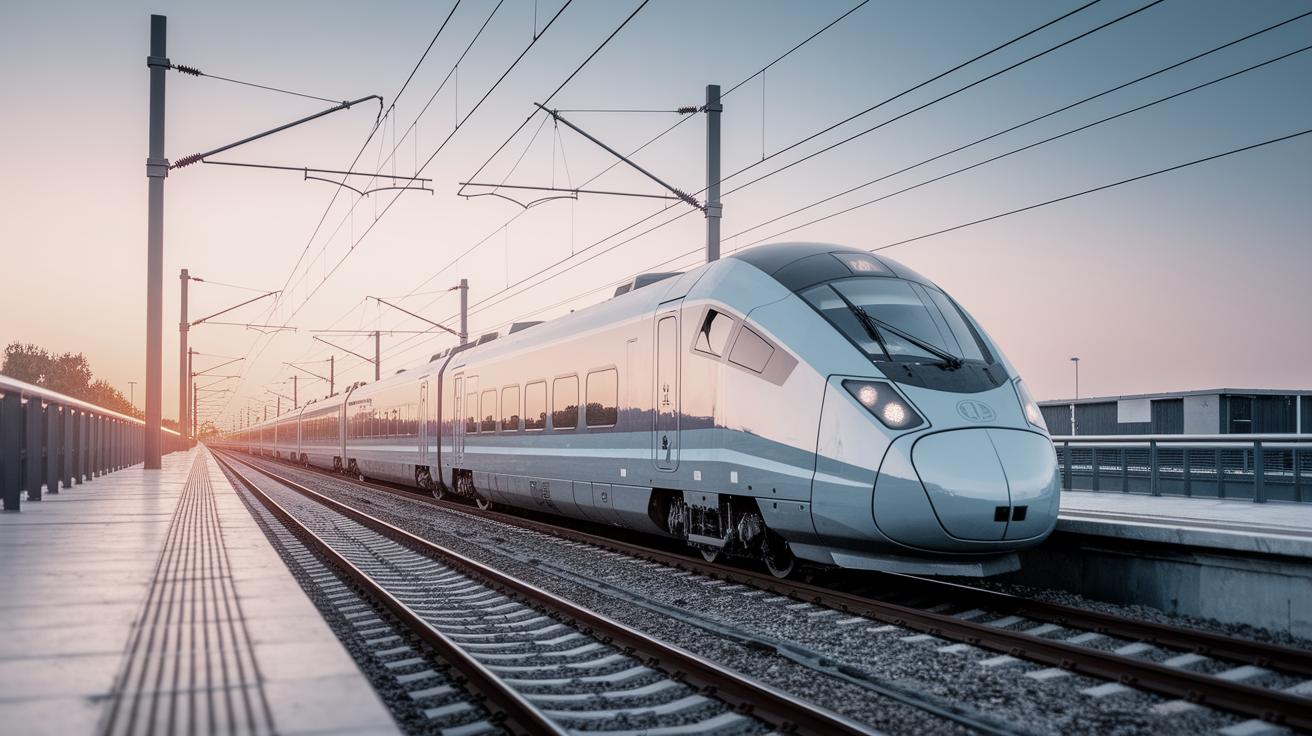
The Future of Hydrogen-Powered Trains in Europe
With the pressing need for sustainable solutions to combat climate change, the spotlight has turned to hydrogen-powered trains as an alternative to diesel and electrically powered locomotives. In Europe, where rail networks form a significant part of public and freight transportation, hydrogen trains promise a cleaner future. This article delves into the complex relationship between carbon capture and hydrogen technologies, critiques the seemingly illogical financial decisions of rail operators, and highlights notable advancements such as hydrogen trials at the renowned Le Mans circuit. Through this exploration, we aim to paint a comprehensive picture of how hydrogen-powered trains may revolutionize the rail industry and what challenges lie on the track to widespread adoption. Whether driven by environmental responsibility or innovation, Europe stands on the brink of a transportation transformation.
Carbon Capture and Hydrogen
The future of hydrogen-powered trains often intersects with discussions surrounding carbon capture technologies. As the rail industry seeks to decarbonize, hydrogen emerges as a viable option thanks to its ability to store vast amounts of energy while producing zero emissions during operation. However, producing hydrogen can still involve carbon emissions, especially through traditional methods like steam methane reforming. This is where carbon capture technology becomes essential, potentially allowing for a cleaner hydrogen production process.
Innovators are actively exploring the use of renewable energy sources like wind and solar to produce green hydrogen through electrolysis, which splits water into hydrogen and oxygen. This method negates the need for carbon capture by eliminating carbon emissions entirely. As Europe aims for a net-zero future, the integration of these technologies could pave the way for both a sustainable rail industry and a robust hydrogen economy. The symbiosis of hydrogen and carbon capture will be crucial in this transition.
Why Rail Operators Keep Ignoring Math and Setting Money on Fire
Despite the clear environmental benefits, the economics of hydrogen-powered trains continue to perplex many observers. Critics argue that rail operators sometimes overlook the financial math, leading to perceived inefficient investments. The initial cost of hydrogen fuel cells and infrastructure can be exorbitant, especially when compared to existing diesel or electric options. However, proponents of hydrogen trains argue that long-term savings in environmental remediation and fuel costs will offset these initial expenses.
The reluctance to invest in hydrogen technology is partly due to its volatility in market prices and the lack of a comprehensive refueling infrastructure across the continent. Some rail operators may see this as setting money on fire, preferring to invest in more proven technologies. Nevertheless, with increasing government incentives and pressure to adhere to environmental regulations, the calculus is slowly changing. It’s critical for operators to weigh the long-term sustainability goals against short-term financial metrics.
Email Newsletter
Staying informed about the latest developments in hydrogen-powered transportation is crucial for industry professionals and enthusiasts alike. Several organizations and independent analysts provide regular updates on technological advancements, policy changes, and economic analyses through newsletters. Subscribing to these resources can offer invaluable insights into the real-time evolution of hydrogen trains in Europe.
An email newsletter can also serve as a collaborative platform where stakeholders exchange ideas, report on pilot projects, and discuss the challenges and successes of hydrogen-powered rail systems. This exchange is vital to foster a community dedicated to overcoming the hurdles on the path to adopting hydrogen trains widely and successfully.
A Record for the First Hydrogen-Powered Lap of the Le Mans Circuit
In a symbolic achievement for hydrogen technology, a hydrogen-powered train recently completed its first lap around the Le Mans circuit, a venue renowned for testing automotive endurance and innovation. This demonstration was more than a mark of technical feasibility; it symbolized the commitment to pioneering clean energy solutions in the transportation sector. By navigating the same track where the world’s fastest automobiles are tested, hydrogen trains staked their claim as a future cornerstone of modern transit.
The trial also provided invaluable data on the efficiency and reliability of hydrogen fuel cells under demanding conditions. It signified the potential for hydrogen technology to move beyond theoretical discussions and into applicable, real-world scenarios. This event captured the attention of both the public and stakeholders, highlighting not just an engineering triumph but also paving the way for further research and investment into hydrogen trains.
Future Prospects
| Aspect | Summary |
|---|---|
| Carbon Capture and Hydrogen | Explores the integration of carbon capture with hydrogen to ensure sustainable production and decarbonization of the rail industry. |
| Rail Operators’ Financial Challenges | Discusses the economic complexities and missteps in transitioning to hydrogen-powered trains, including high initial costs and infrastructure needs. |
| Importance of Email Newsletters | Highlights the role of newsletters in sharing updates, fostering communication, and disseminating information about hydrogen train innovations. |
| Le Mans Circuit Milestone | Describes the significance of hydrogen trains completing the Le Mans circuit, signalling a new era of energy-efficient transportation breakthroughs. |

