
How Railroads Manage Wildlife Crossings Safely
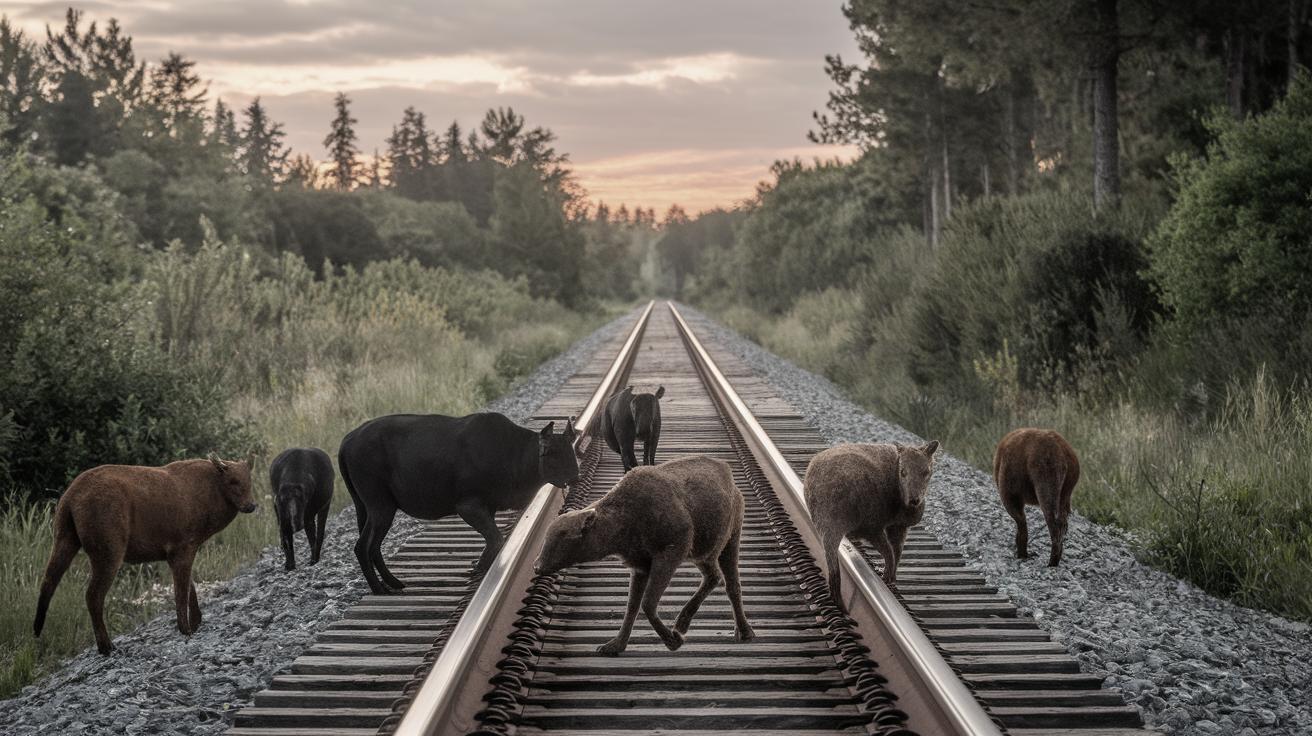
Railroads play a critical role in transportation infrastructure, moving goods and people across vast distances. However, they also intersect with wildlife habitats, posing challenges for the protection of animals and railway safety. This blog explores how railroads manage wildlife crossings safely, highlighting innovation in design, technology use, and strategic planning. We’ll discuss the features of effective wildlife crossing grades and delve into subjects like ecological connectivity and animal behavior. In addition, we’ll connect readers with related resources for further exploration of this vital topic. Join us as we uncover the strategies that balance the advancement of rail transport with the preservation of biodiversity.
ARTICLE
Railroads face constant challenges in ensuring the coexistence of their operations with wildlife. As trains extend their routes through diverse environments, they often intersect with the natural habitats of various animal species. This intersection necessitates sophisticated strategies to avoid negative impacts on wildlife, which could include habitat fragmentation and increased mortality rates from train strikes. This article analyzes the innovative approaches railroads are adopting to mitigate these issues.
In recent years, railroads have implemented numerous infrastructure improvements such as overpasses and underpasses designed specifically for wildlife. These crossings are tailored to the needs of local species, enabling animals to migrate freely and safely without affecting the efficiency of the rail network. Stakeholders including engineers, biologists, and ecologists collaborate to design practical solutions that prioritize both safety and ecological connectivity.
ARTICLE
Technology plays a pivotal role in enhancing the safety and effectiveness of wildlife crossings. Railroads are increasingly employing advanced detection systems such as motion sensors and thermal cameras to monitor animal movements near tracks. These systems alert train operators of potential wildlife crossings, allowing for timely responses that prevent accidents.
Moreover, the integration of Geographic Information Systems (GIS) and remote sensing technology enables extensive mapping and analysis of wildlife habitats and migration routes. This capability helps railroads strategically plan infrastructure projects, minimizing ecological disruption and fostering a harmonious balance between rail transportation and wildlife conservation.
Grades
Wildlife crossing structures are classified into grades based on their ecological effectiveness and structural quality. High-grade crossings often include elaborate designs that accommodate diverse species, mimicking natural pathways to ensure easy adaptability for animals. These structures prioritize vegetation cover and landscape continuity, making them an integral component of sustainable rail infrastructure.
Alternatively, mid-grade crossings provide basic passage solutions with limited ecological features but maintain structural integrity essential for safety. Lower-grade passages offer minimal intervention, often utilized in conjunction with other mitigation strategies to support broader ecological goals. Railroads continuously evaluate and upgrade these crossing types based on environmental assessments and wildlife monitoring data.
Subjects
One of the critical subjects in managing wildlife crossings is understanding animal behavior and migration patterns. Knowledge of species-specific behavior guides the design and placement of crossing structures, ensuring effectiveness and safety. Biologists play a crucial role in gathering and analyzing this data, which informs strategic planning processes.
In addition, ecological connectivity is a significant subject of focus, emphasizing the seamless movement of wildlife across landscapes. Preserving these natural corridors is vital for biodiversity conservation, enabling species to access essential resources and maintain genetic diversity. Railroads, therefore, prioritize the integration of wildlife-friendly designs and land-use planning to protect these crucial pathways.
Related Resources
For those interested in exploring further, there are numerous resources available that delve deeper into the subject of wildlife crossings in rail infrastructure. Organizations such as the Wildlife Conservation Society and the International Union of Railways publish research and case studies detailing successful implementations worldwide.
Additionally, academic publications and government reports provide comprehensive analyses of the environmental impacts of railways and the measures necessary to mitigate them effectively. By accessing these resources, readers can gain a more profound understanding of the complex interactions between railroads and ecosystems and the strategies that promote sustainable development.
Final Thoughts
| Aspect | Details |
|---|---|
| Infrastructure | Wildlife overpasses and underpasses for safe animal crossings. |
| Technology | Use of motion sensors and GIS for monitoring and planning. |
| Grades | Variety of crossing structures based on ecological effectiveness. |
| Subjects | Focus on animal behavior and ecological connectivity. |
| Resources | Access to research by organizations and academic analyses. |

